Blog Posts
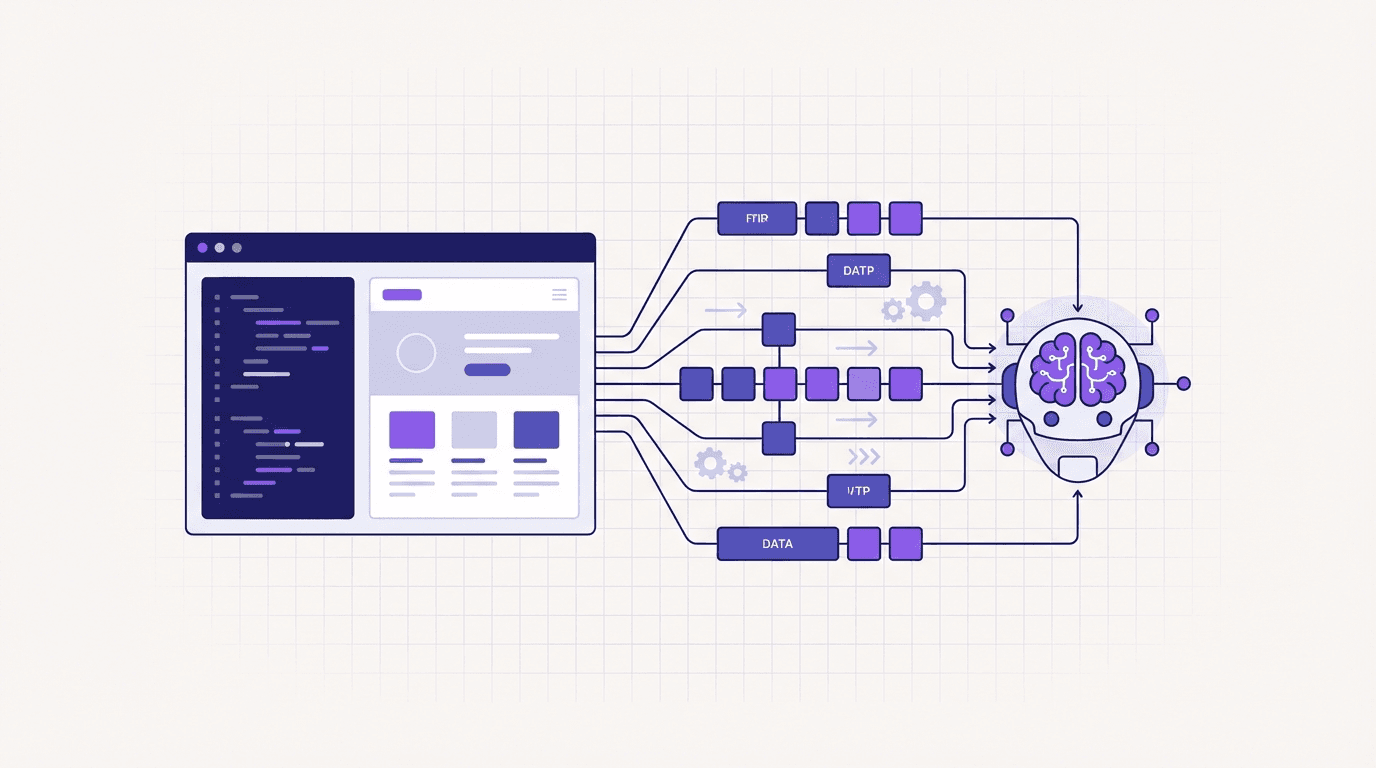
What Is WebMCP? Browser Tools, Examples and Testing
Learn how WebMCP exposes browser tools, compare declarative forms with document.modelContext, and test an implementation with clear limits.
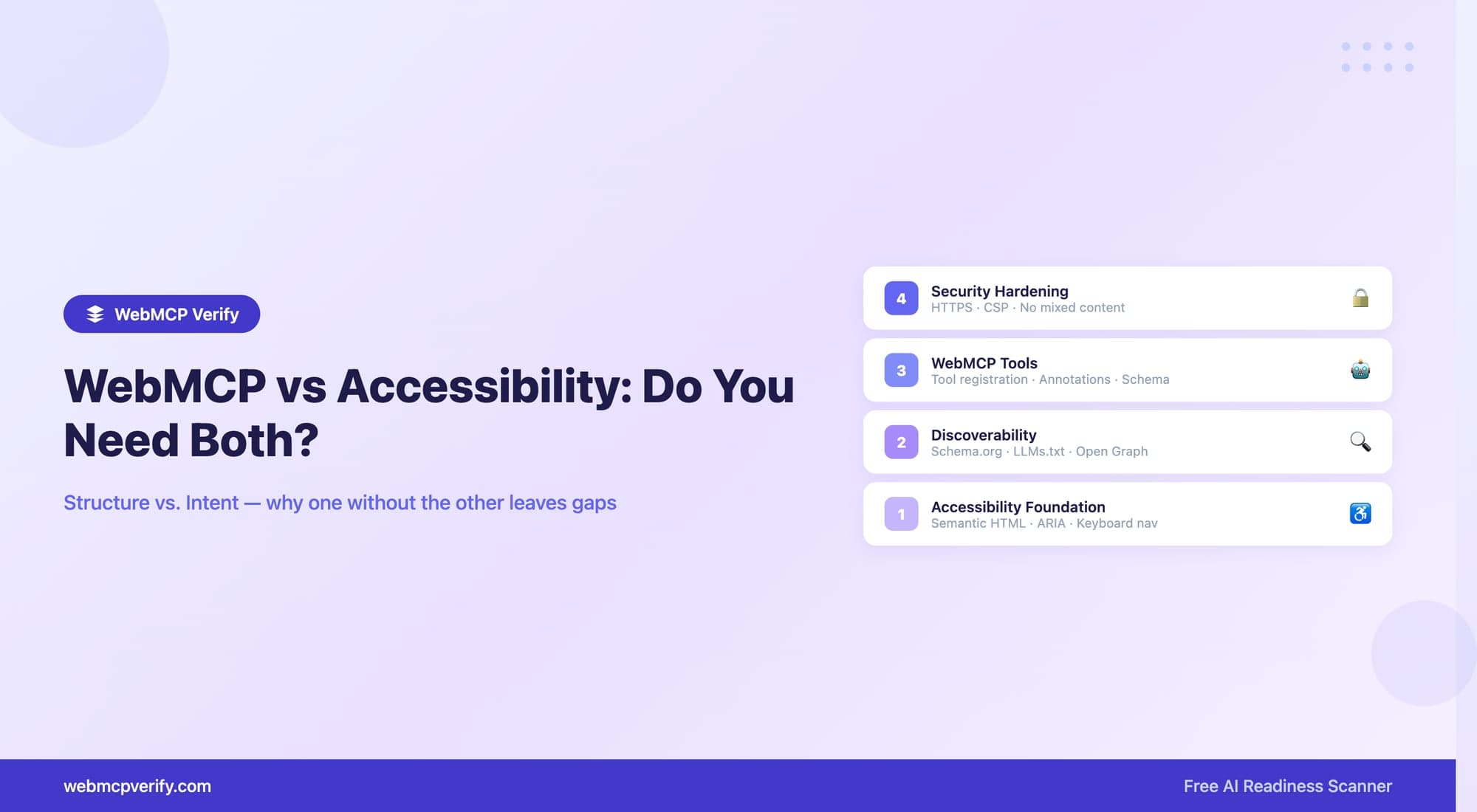
WebMCP and Accessibility: Complementary Paths for Website Interaction
Keep semantic HTML and keyboard access while adding optional browser tools. Understand what WebMCP does not replace and how to test both paths.
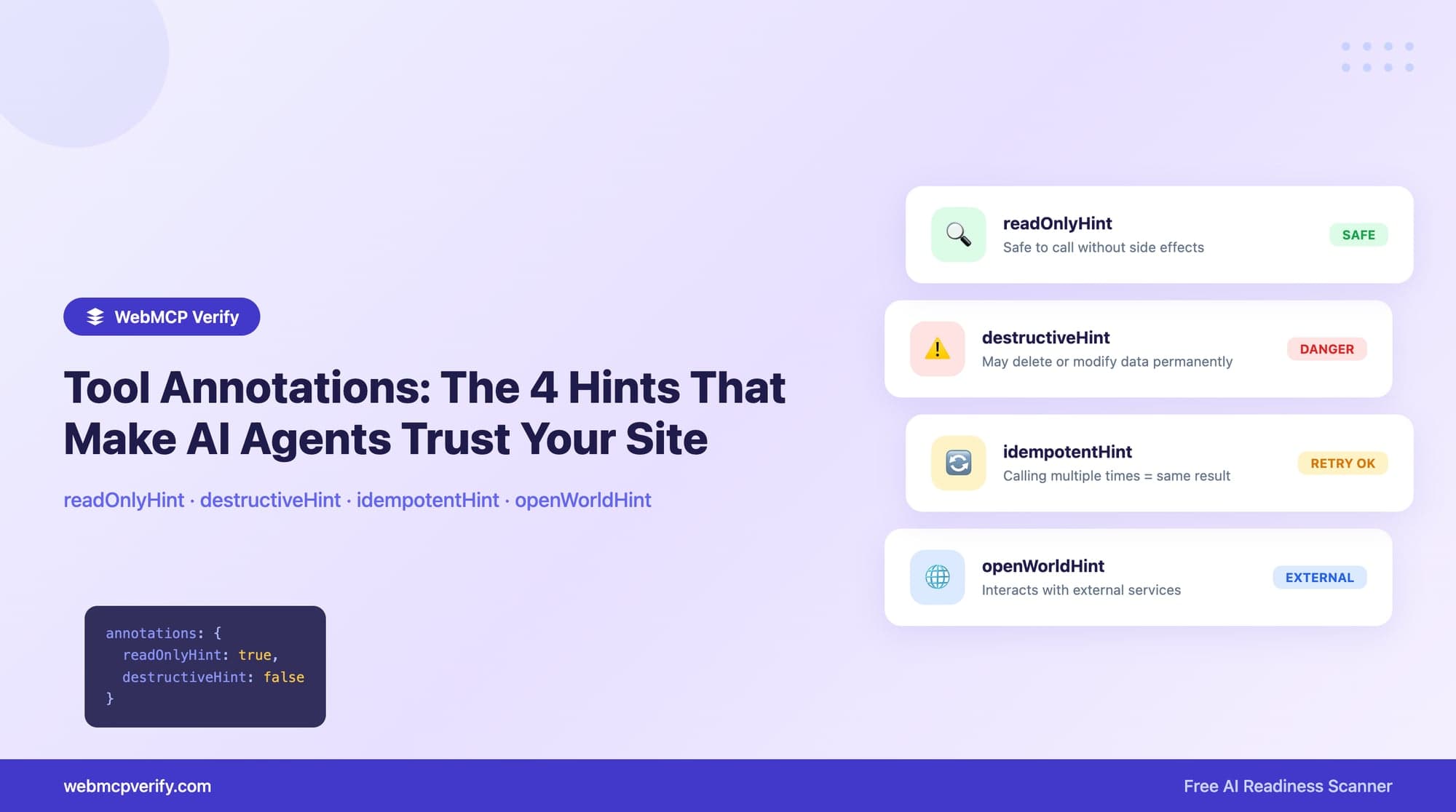
WebMCP Tool Annotations: Current Hints and Practical Examples
Understand readOnlyHint, untrustedContentHint, consequentialHint and debugging in the current WebMCP draft, and how the scanner evaluates them.
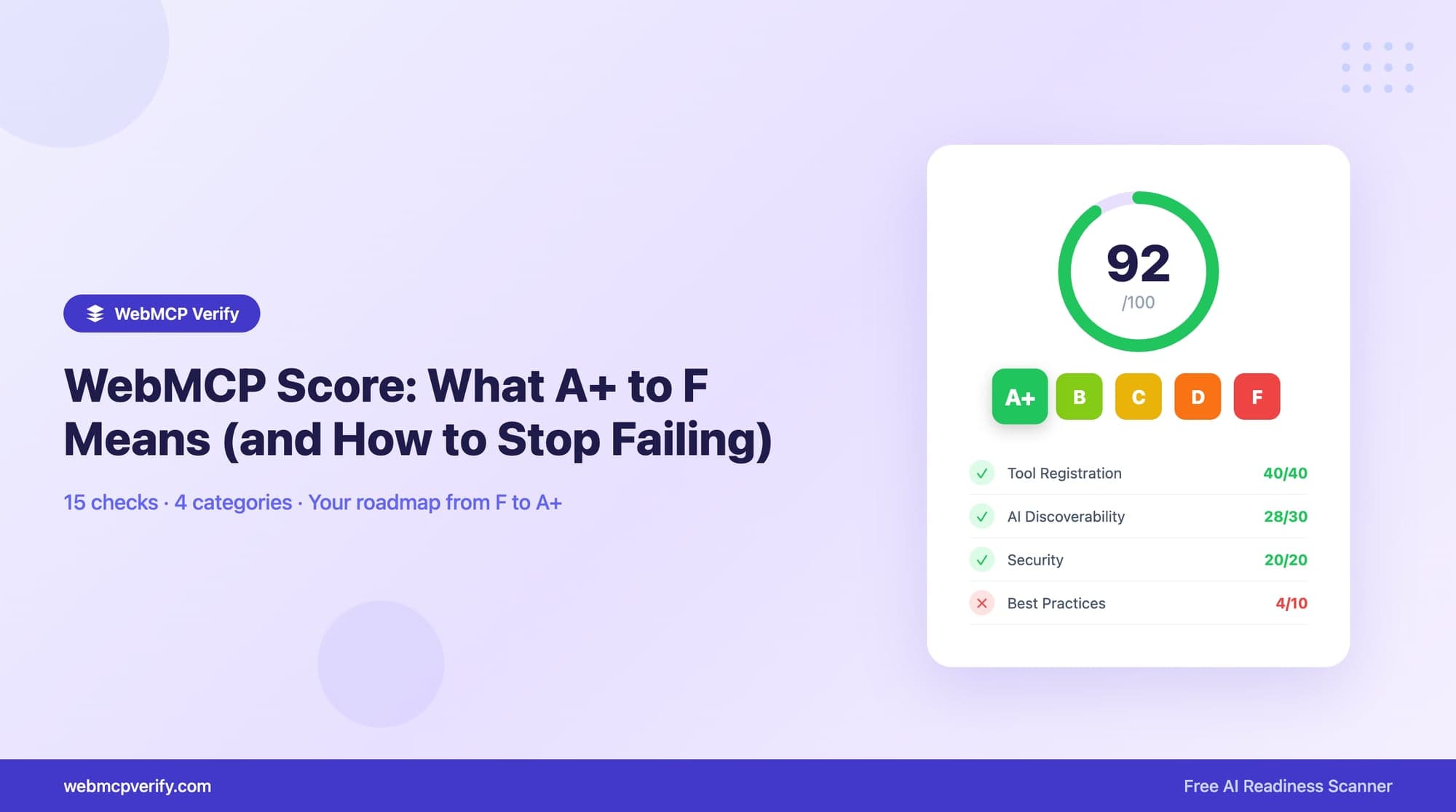
WebMCP Score Guide: Checks, Skipped Rules and Practical Fixes
Read the 2026-10-05 scoring methodology, understand skipped checks and capture evidence, and prioritize useful fixes without treating a score as certification.
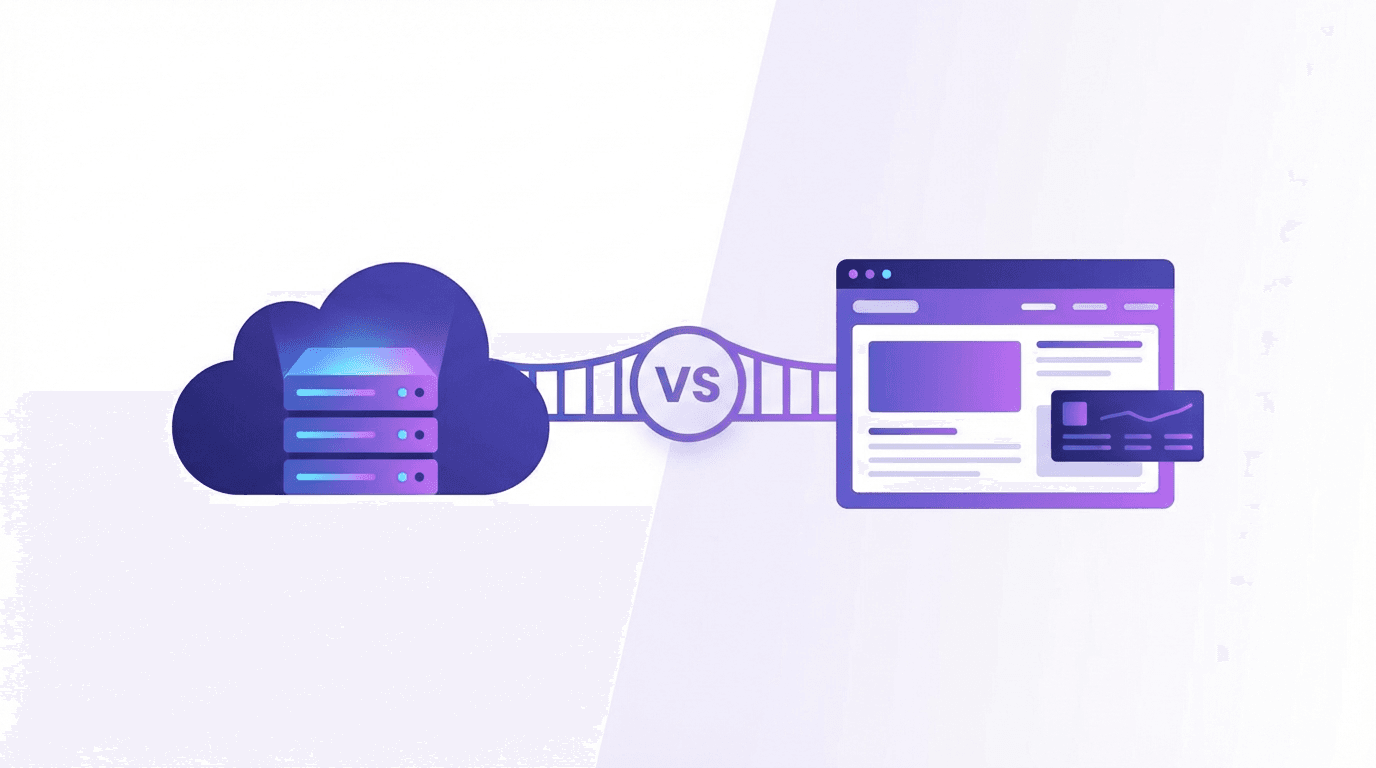
WebMCP vs MCP: Browser Tools, Services and When to Use Each
Compare WebMCP browser tools with MCP services, understand session and privacy limits, and choose the interface your application actually needs.
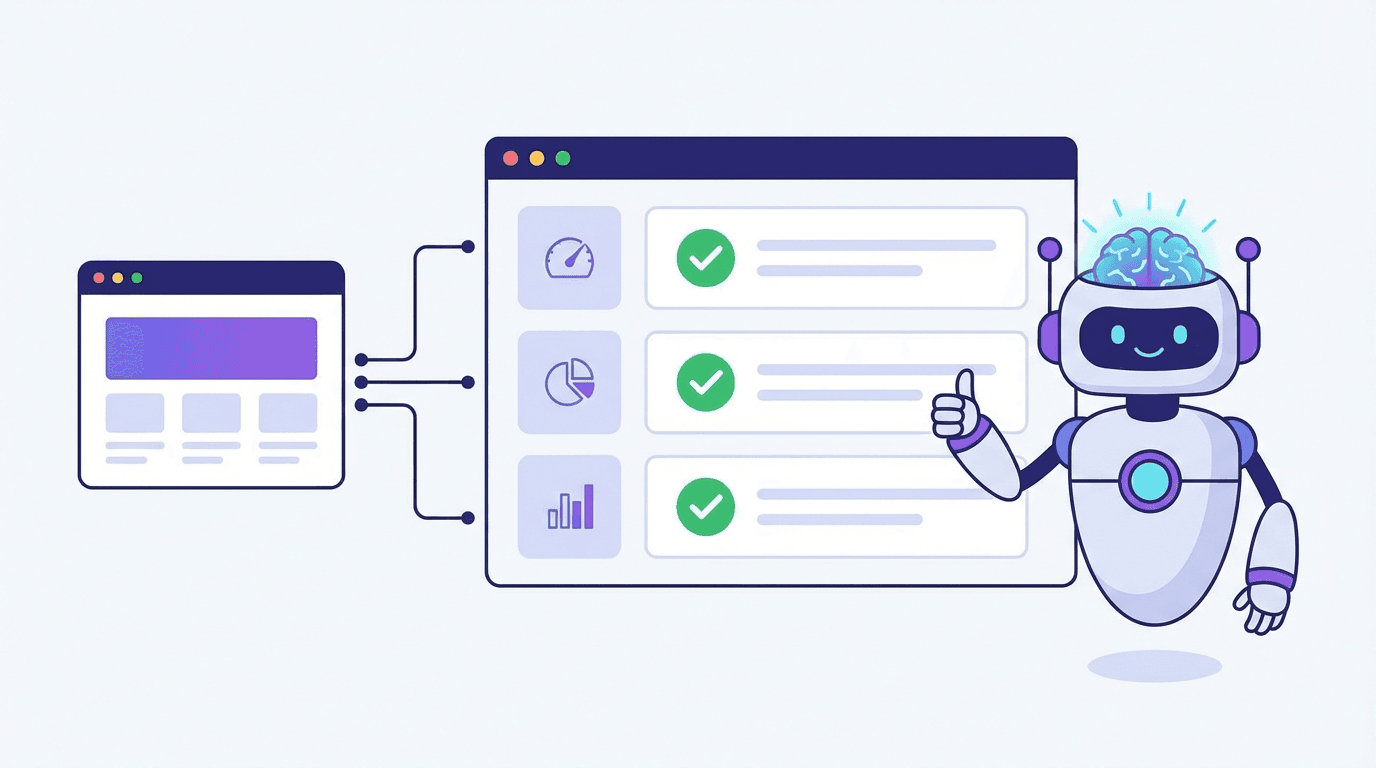
How to Make a Website AI-Agent Ready: A Practical Checklist
Choose one useful website action, add a form or browser tool, retain security controls, and test discovery, execution and human use.
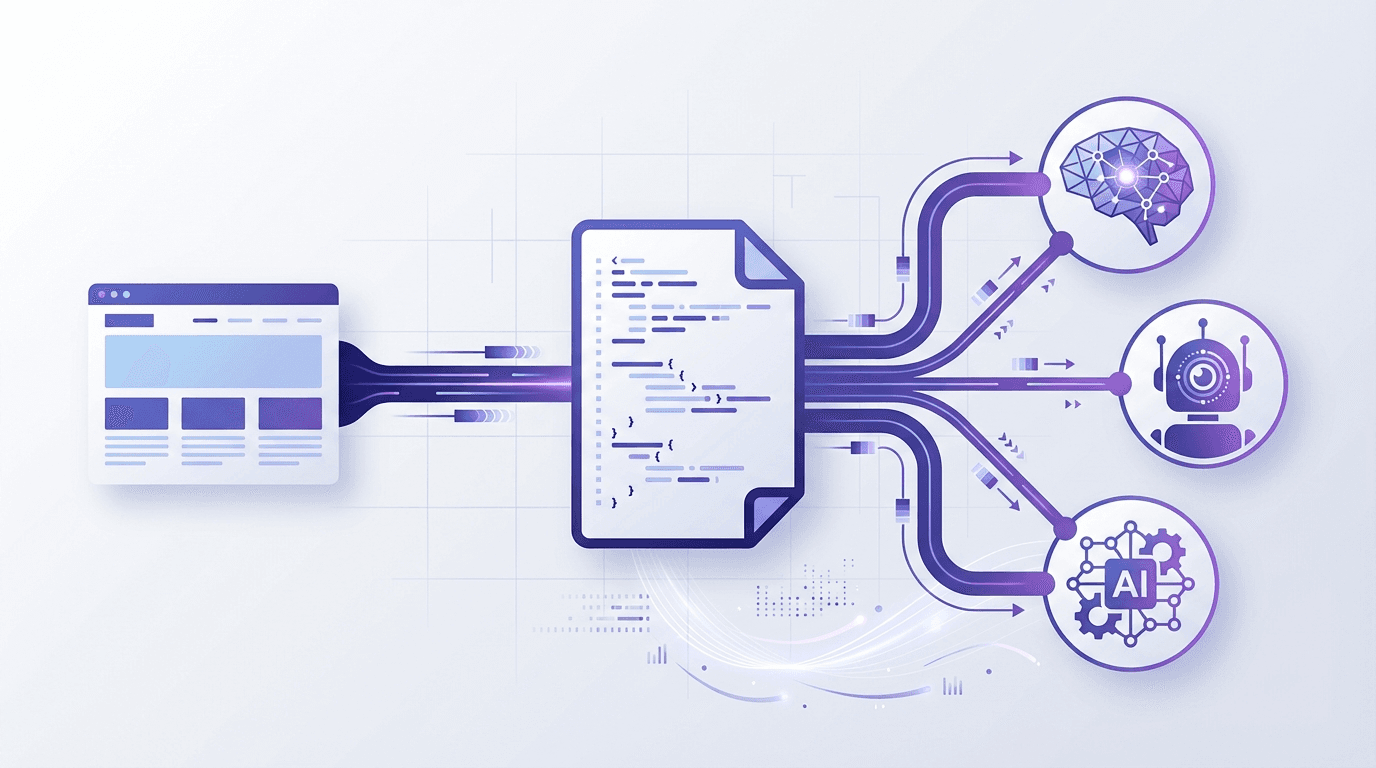
How to Add llms.txt: A Practical Documentation Guide
Create a concise llms.txt file with public documentation links, keep it accurate, and understand its limits for crawlers, WebMCP and Google Search.
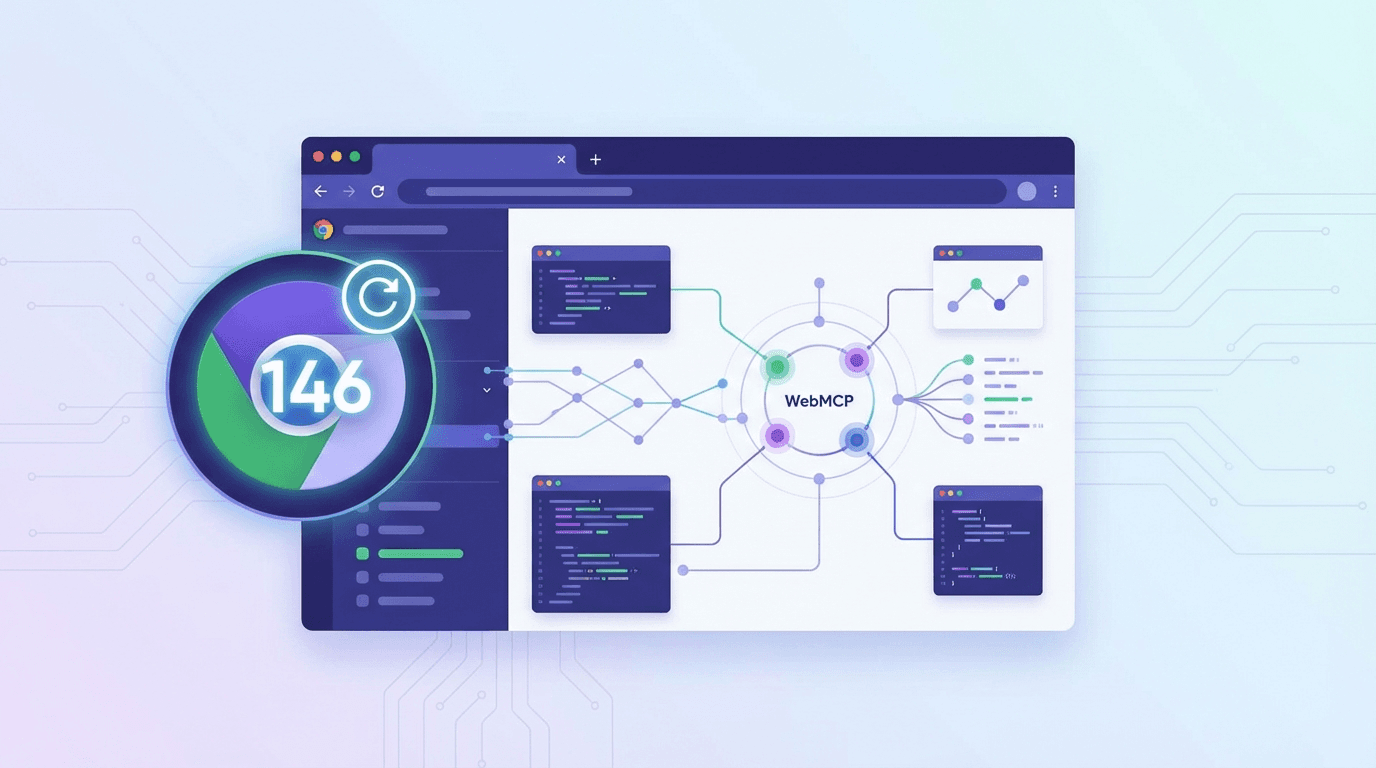
Chrome 146 WebMCP Early Preview: Browser Support and the Current API
Understand the historical Chrome 146 preview, check the current document.modelContext API, and verify discovery and invocation in your browser.
No posts found for this tag.